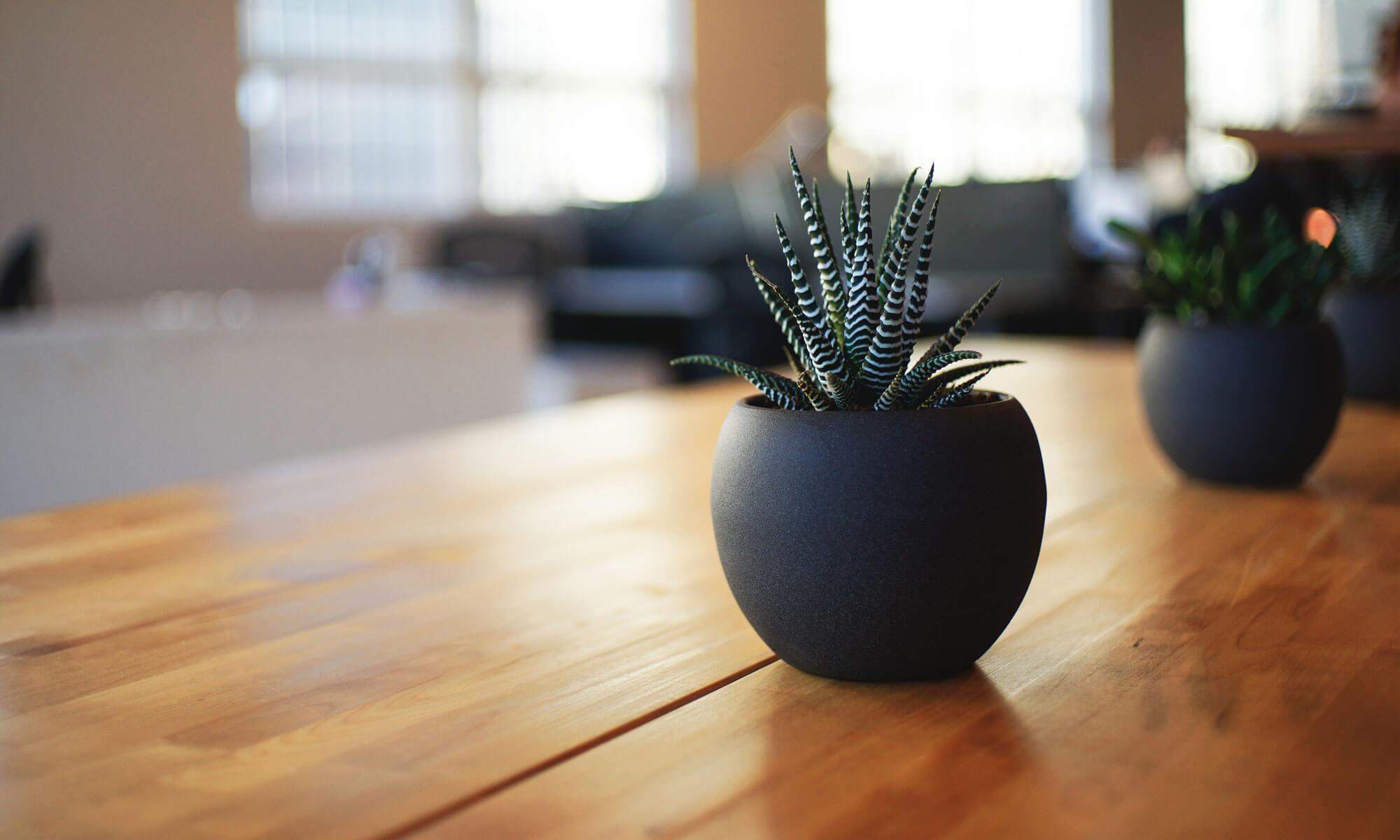
- Practical textures and durable sisal fibers enhance modern interior design choices
- The Origins and Production of Sisal Fiber
- Grading and Quality Control of Sisal
- Sisal in Interior Design: Flooring and Rugs
- Caring for Sisal Flooring and Rugs
- Beyond Flooring: Other Applications of Sisal
- Sisal in Upholstery and Furniture
- The Future of Sisal: Innovation and Sustainability
- Sisal and Biophilic Design: Connecting to Nature
Practical textures and durable sisal fibers enhance modern interior design choices
The world of interior design is constantly evolving, with a growing emphasis on natural materials and sustainable choices. Among these, sisal has emerged as a prominent feature, appreciated for its textural richness and durability. It’s a material that effortlessly bridges the gap between rustic charm and contemporary sophistication, making it a versatile option for a wide range of design aesthetics. From flooring and rugs to wall coverings and accessories, sisal’s unique properties offer designers and homeowners alike a compelling alternative to more conventional materials.
Beyond its aesthetic appeal, sisal offers practical benefits that contribute to its growing popularity. It's a remarkably strong fiber, capable of withstanding heavy foot traffic and resisting wear and tear. This makes it an ideal choice for high-traffic areas of the home, such as hallways and living rooms. Moreover, sisal is a relatively sustainable resource, derived from the leaves of the Agave sisalana plant. Its natural origins align with the conscious consumer’s desire for eco-friendly materials, further solidifying its position in the modern design landscape.
The Origins and Production of Sisal Fiber
The history of sisal is deeply rooted in the Yucatán Peninsula of Mexico, where the Agave sisalana plant originated. For centuries, indigenous populations utilized the plant’s fibers for crafting ropes, textiles, and other essential items. However, its widespread commercialization didn't begin until the 19th century, when British and American entrepreneurs recognized its potential as a robust and inexpensive fiber for marine ropes and twine. This demand led to the establishment of large-scale sisal plantations in Mexico, Brazil, Tanzania, and other tropical regions. The process of extracting sisal fiber is somewhat labor-intensive, involving a series of steps that begin with harvesting the leaves of the plant.
Once harvested, the leaves are split lengthwise, and the fibrous material is mechanically scraped to remove the pulp. This process, often referred to as ‘decortication’, yields long, strong fibers that are then washed, dried, and graded according to quality. Different grades of sisal fiber are suitable for various applications, with the highest grades being used for textiles and carpets, and the lower grades finding use in rope and cordage. The sustainability of sisal production practices is under increasing scrutiny, with efforts being made to minimize water usage, reduce chemical inputs, and ensure fair labor standards within the industry. Producers are now focussed on more environmentally responsible methods to maintain the demand for this fibre.
Grading and Quality Control of Sisal
The quality of sisal fiber is determined by factors such as fiber length, strength, and cleanliness. Grading is a crucial aspect of the production process, ensuring that the fiber meets the required standards for different applications. Generally, sisal is categorized into three main grades: Tow, Burr, and Lustre. Tow is formed from the shorter fibers produced during decortication, often used to produce lower-grade ropes or as filler material. Burr consists of the coarser fibers, which have some leaf debris still attached, and finds applications in heavy-duty ropes and mats. Lustre represents the highest-grade fiber – long, silky, and relatively free of impurities – and is prized for its use in carpets, rugs, and premium textiles.
Quality control measures are implemented throughout the entire production chain, from harvesting to grading, to ensure consistent fiber quality. These measures often involve visual inspections, tensile strength testing, and assessments of fiber fineness. The increasing demand for high-quality sisal necessitates continuous improvements in production techniques and quality control protocols. Enhancing quality ensures the longevity and durability for associated products.
| Sisal Grade | Characteristics | Typical Applications |
|---|---|---|
| Tow | Short fiber length, lower strength | Rope filler, coarse mats |
| Burr | Coarser fibers, some leaf debris | Heavy-duty ropes, industrial mats |
| Lustre | Long, silky, high strength | Carpets, rugs, premium textiles |
The careful attention to grading and quality control is vital to maximizing the value of this versatile natural fiber and maintaining its appeal within the competitive materials market.
Sisal in Interior Design: Flooring and Rugs
Perhaps the most recognized application of sisal is in flooring and rugs. Sisal carpets and rugs are prized for their exceptional durability, natural texture, and understated elegance. They can withstand heavy foot traffic, making them suitable for busy areas of the home, and their neutral color palette complements a wide range of interior design styles. Sisal flooring offers a unique tactile experience, providing a warm and inviting feel underfoot. Unlike some synthetic carpets, sisal is a breathable material, which can contribute to improved indoor air quality. However, it’s important to note that sisal is relatively absorbent and can be susceptible to staining, so protective treatments and prompt stain removal are essential.
The versatility of sisal extends beyond its inherent texture and color. It can be woven into a variety of patterns and designs, from simple herringbone weaves to more intricate geometric patterns. Sisal rugs are available in a range of thicknesses and pile heights, allowing designers to customize the look and feel to suit specific design preferences. Furthermore, sisal can be combined with other natural fibers such as jute and wool to create blended rugs that offer enhanced softness and durability. The growing demand for sustainable and eco-friendly design options is driving continued innovation in the sisal flooring and rug market.
Caring for Sisal Flooring and Rugs
Maintaining the beauty and longevity of sisal flooring and rugs requires regular care and attention. Vacuuming is essential to remove loose dirt and debris, and professional cleaning is recommended at least once a year. Spot cleaning should be addressed immediately, using a mild detergent and water solution. Avoid over-wetting the sisal, as it can lead to water stains and fiber damage. The use of area rugs over high-traffic areas can help to protect the underlying sisal flooring. Protective coatings can also be applied to sisal rugs and flooring to enhance their stain resistance, but these coatings may alter the natural texture and appearance of the material.
Regular maintenance is key to preserving the natural beauty and structural integrity of sisal floor coverings. While it does require a bit more effort than some synthetic alternatives, the durability and eco-friendly benefits of sisal make it a worthwhile investment for homeowners who prioritize quality and sustainability.
- Vacuum regularly to remove dirt and debris.
- Address spills immediately with a mild detergent and water.
- Avoid over-wetting the sisal material.
- Consider protective coatings for stain resistance.
- Professional cleaning is recommended annually.
By following these care guidelines, you can ensure that your sisal flooring and rugs remain beautiful and functional for years to come.
Beyond Flooring: Other Applications of Sisal
While flooring and rugs represent the most prominent applications of sisal, this versatile fiber finds use in a wide array of other products. From wall coverings and blinds to decorative accents and accessories, sisal’s unique texture and durability add a touch of natural elegance to any interior space. Sisal wall coverings offer a distinctive alternative to traditional wallpaper, creating a warm and inviting atmosphere. Sisal blinds provide natural light filtration and add a subtle textural element to windows.
In the realm of accessories, sisal is used to create baskets, placemats, chargers, and other decorative items. These items add a touch of rustic charm and natural texture to dining tables, living rooms, and other areas of the home. Sisal is also increasingly being incorporated into furniture design, with designers utilizing it to create chairs, ottomans, and other seating options. The material’s strength and durability make it a practical choice for furniture frames and upholstery. The growing demand for sustainable and eco-friendly products is driving innovation in the use of sisal across a broader range of applications.
Sisal in Upholstery and Furniture
The use of sisal in upholstery and furniture design is gaining momentum as designers seek to incorporate natural and sustainable materials into their creations. Sisal’s inherent strength and durability make it an ideal choice for furniture frames, providing a robust and long-lasting structure. When used as upholstery fabric, sisal offers a unique textural appeal and a natural, organic aesthetic. However, it's important to note that sisal can be somewhat rough to the touch, so it's often blended with other softer fibers such as cotton or wool to enhance comfort.
Sisal upholstery tends to be very durable, resisting wear and tear from daily use. It can be treated with stain repellents to protect against spills and stains, but regular cleaning and maintenance are still essential. Sisal is a versatile material that can be incorporated into a wide range of furniture styles, from contemporary to rustic. It’s increasingly popular for accent pieces such as chairs, ottomans, and headboards, allowing designers to add a touch of natural texture and sustainability to their projects.
- Assess the desired level of comfort – blending with softer fibers may be necessary.
- Consider applying stain repellents for added protection.
- Regular cleaning with a soft brush or vacuum is essential.
- Choose a style that complements your existing décor.
- Opt for durable frame construction to maximize longevity.
Careful consideration of these factors will ensure that sisal furniture remains a stylish and functional addition to your home for years to come.
The Future of Sisal: Innovation and Sustainability
The future of sisal appears bright, driven by the growing demand for sustainable and eco-friendly materials. Ongoing research and development efforts are focused on improving sisal production practices, enhancing fiber quality, and expanding its range of applications. Innovations in weaving and spinning techniques are leading to the creation of new and exciting sisal products, while advancements in bio-based coatings are enhancing its durability and stain resistance. The industry is increasingly focused on adopting circular economy principles, minimizing waste, and maximizing resource efficiency. Sustainable sourcing practices, fair labor standards, and responsible land management are becoming increasingly important considerations for sisal producers and consumers alike.
Looking ahead, we can expect to see sisal integrated into even more innovative and unexpected design solutions. Composites made from sisal fibers and bio-resins are being explored as sustainable alternatives to traditional plastics. The exploration of utilizing waste materials generated during sisal production as a resource for other applications highlights the commitment to minimizing environmental impact. Continued collaboration between researchers, designers, and producers will be vital to unlocking the full potential of this remarkable natural fiber.
Sisal and Biophilic Design: Connecting to Nature
The principles of biophilic design, which emphasize the connection between humans and nature, are becoming increasingly influential in interior design. Sisal aligns perfectly with these principles, offering a natural, textural material that evokes a sense of warmth and tranquility. Incorporating sisal into a space can help to reduce stress, improve mood, and enhance overall well-being. The use of natural materials like sisal fosters a deeper connection with the environment and promotes a sense of harmony and balance. The subtle variations in color and texture inherent in sisal add an organic element that complements a variety of design styles.
Moreover, sisal’s sustainability credentials align with the growing consumer desire for eco-conscious choices. By selecting sisal products, homeowners and designers can contribute to a more sustainable future while creating beautiful and inviting living spaces. The trend towards biophilic design is not simply a fleeting fad but rather a fundamental shift in our understanding of the importance of nature in our built environment – and materials like sisal are at the forefront of this movement.