
Ever felt that mix of excitement and unease when diving into Solana DeFi? Yeah, me too. The first time I got serious about staking my SOL tokens, I remember thinking, “Okay, this is cool but also kinda nerve-wracking.” Wallet security suddenly felt very real. It’s one thing to trust your funds on an exchange, but quite another when you’re personally managing keys, extensions, and validators.
Here’s the thing—hardware wallets have been around for a while, but pairing them with slick browser extensions like the solflare wallet extension creates this surprisingly seamless, yet secure experience. Seriously? Yes. It’s like having a vault and a concierge at the same time.
So why does this combo matter so much for Solana users exploring staking and DeFi? Well, it boils down to control and peace of mind. At first glance, browser extensions might seem risky—after all, they’re software running right in your browser. But when paired with hardware wallets that keep your private keys offline, it becomes a powerful duo. My gut feeling says this is where the crypto UX finally clicks for many people.
But I get it—there’s a lot to unpack. Let’s break it down without the usual jargon overload. And hey, if you’re a Solana user, this might just change how you think about managing your assets.
Wow! Let’s jump in.
Hardware Wallets: The Offline Guardian Angels
Hardware wallets like Ledger or Trezor are the gold standard for security. They keep your private keys offline—which means hackers can’t just swipe them through a phishing site or malware. This is very very important. But here’s a snag: hardware wallets alone aren’t super convenient when you want to interact with staking platforms or dApps directly. You’d be juggling devices, cables, and software that don’t always play nicely together.
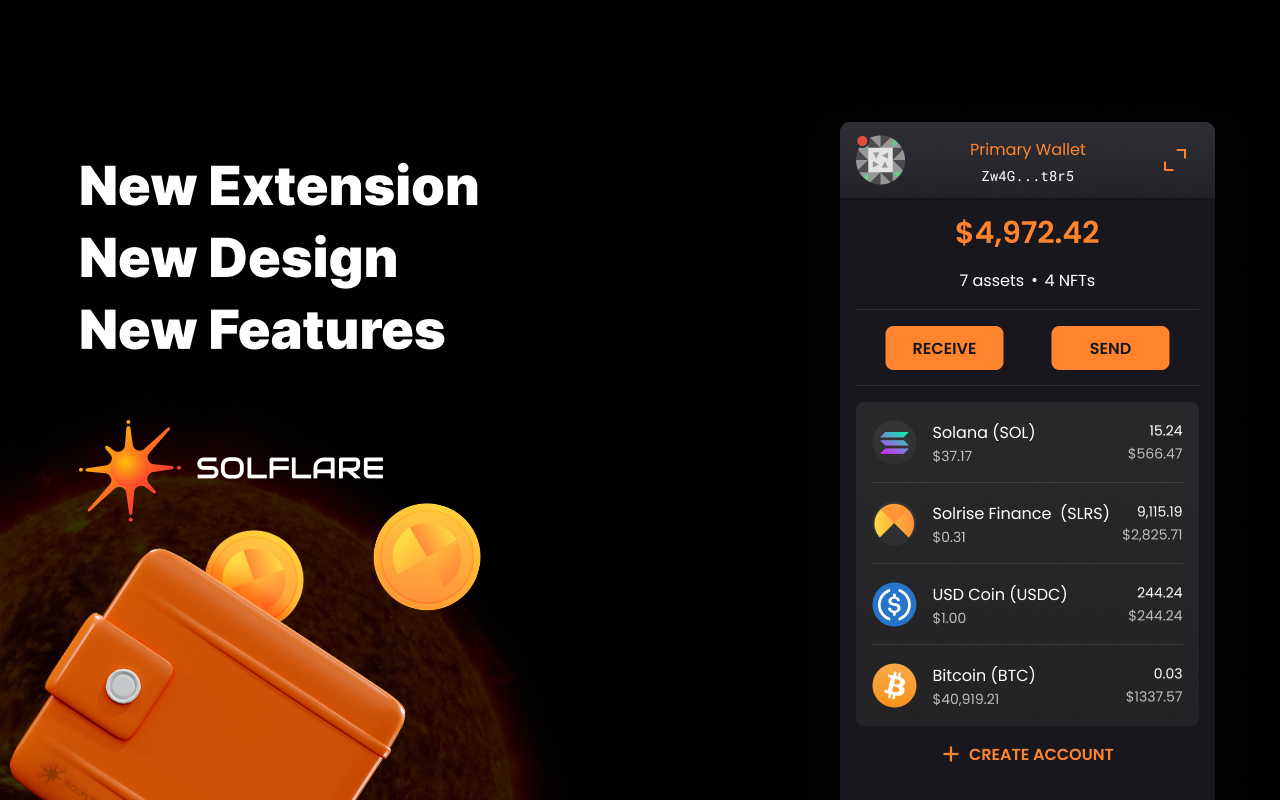
Initially, I thought using hardware wallets for everything would be clunky and slow. But then I stumbled onto browser extensions that act as the middleman. The solflare wallet extension is one of those tools that bridges the gap beautifully. It lets you sign transactions with your hardware wallet, but from your browser—no awkward device switching or complicated setups necessary.
On one hand, this makes staking more accessible. You get the security of a hardware wallet with the convenience of a browser extension. Though actually, it’s a bit more nuanced: your keys never leave the device, but you can approve staking actions with a couple clicks. It’s almost like magic, in the best way possible.
And by the way, if you’re thinking “browser extensions are risky”—I hear you. But the solflare wallet extension has earned a solid rep in the Solana community for its security model and ease of use. That combo is rare.
Validator Selection: Why It’s Not Just About Yield
Okay, so you’ve got your wallet setup sorted. Now comes the validator selection. This step often flies under the radar but it’s super critical. Validators aren’t all created equal—some have better uptime, lower fees, or stronger reputations. Choosing wisely can boost your staking rewards and keep your funds safer.
Here’s the kicker: the solflare wallet extension doesn’t just let you stake; it shows you validator stats and lets you switch between them with ease. No need to jump through hoops or wrestle with command lines. This transparency is a breath of fresh air.
Still, I’m biased but this part bugs me—the crypto space can sometimes feel like a wild west where validator performance info is scattered or too technical for regular users. Tools that simplify this without dumbing down are a win in my book.
And oh, one more thing—delegating your stake is reversible. If you spot a better validator down the line, switching is straightforward through the extension. That flexibility is a big deal, especially given how fast the Solana network evolves.
DeFi and Staking—A Balancing Act of Convenience and Security
It’s tempting to just dump your SOL into a staking pool with the highest APR and call it a day. But the reality is more complex. The DeFi space is exciting but also littered with risks—smart contract bugs, validator failures, and phishing attempts. Using something like the solflare wallet extension with a hardware wallet adds a safety layer that’s hard to beat.
Initially, I thought juggling hardware wallets and browser extensions would slow me down, but the opposite happened. My workflow got smoother and I felt way more confident managing my assets. Something felt off about trusting just a software wallet, especially when staking lock-ups mean you can’t just bail quickly.
What really hooked me was how the solflare wallet extension integrates staking, validator selection, and DeFi interactions all in one place without compromising security. That convenience combined with hardware wallet protection is rare and pretty awesome.
Really? Yep. And if you’re dipping toes into Solana DeFi, I’d say give it a shot. It’s not perfect—there’s still a learning curve, and occasionally the UI feels a bit clunky—but the overall balance of usability and security is spot on.
Final Thoughts: Where Do We Go From Here?
So, after poking around hardware wallets, browser extensions, and validator choices, where does that leave us? For me, the journey has been one of increasingly trusting tools that marry strong security with smooth UX. The solflare wallet extension stands out as a solid example—especially for folks wanting to stake SOL and dive into DeFi without giving up their keys.
That said, I’m not 100% sure this is the endgame. The crypto space moves fast, and new wallet tech or staking models might shake things up. But for now, this combo feels like the sweet spot—giving users real control but also making the complex world of Solana more approachable.
Okay, so check this out—if you’re already staking or planning to, think about pairing a hardware wallet with a trusted extension first. It might just save you a headache or worse down the road. And yeah, I’m biased, but managing your own keys securely is worth the effort, especially when your funds are on the line.
Anyway, I’ll leave you with that thought. It’s a wild ride out here, but tools like these help us keep our balance.